Food Contamination Causes 1.5 Million Deaths Annually: WHO
The World Health Organization (WHO) has revealed that food contamination is a major global health concern, causing 1.5 million deaths annually. According to the WHO, 886 million people fall ill...
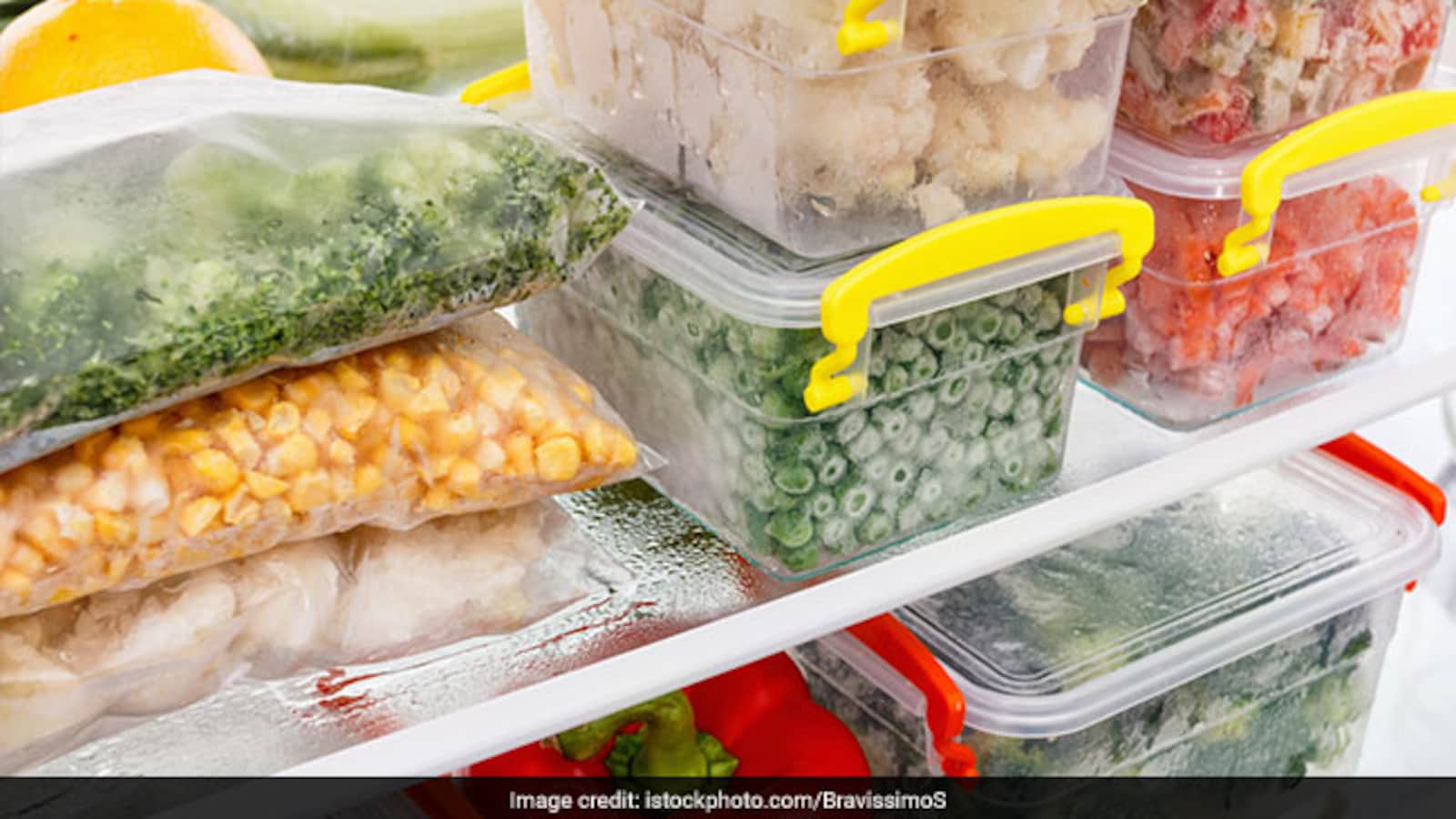
The World Health Organization (WHO) has revealed that food contamination is a major global health concern, causing 1.5 million deaths annually. According to the WHO, 886 million people fall ill every year due to the consumption of unsafe food, with young children being the most vulnerable. The organization analyzed data from 194 countries between 2000 and 2021 to arrive at these staggering figures.
Although illnesses from ingesting dangerous food have declined overall since 2000, massive regional inequalities remain. Africa and Southeast Asia alone account for nearly three-quarters of all cases of food-related ailments and 60% of deaths worldwide. The data highlights the need for improved food safety measures in these regions to reduce the burden of food-borne diseases.
In conclusion, food contamination is a major global health concern that requires immediate attention. The WHO's findings highlight the need for improved food safety measures, particularly in Africa and Southeast Asia. By taking action to reduce the risk of food-borne diseases, we can save lives, reduce economic losses, and promote a healthier and more sustainable food system.
The WHO's report emphasizes the importance of addressing regional inequalities and implementing effective food safety measures to mitigate the impact of food contamination. This includes improving access to safe food, enhancing food handling and preparation practices, and promoting awareness about the risks associated with food-borne diseases.
The global community must come together to address this pressing issue and ensure that everyone has access to safe and nutritious food. By doing so, we can create a healthier and more sustainable food system that benefits all.
The WHO's report highlights the need for a multi-faceted approach to address food contamination. This includes: * Strengthening food safety regulations and enforcement * Improving food handling and preparation practices * Enhancing access to safe food * Promoting awareness about the risks associated with food-borne diseases * Supporting research and development of new technologies to detect and prevent food contamination
Although illnesses from ingesting dangerous food have declined overall since 2000, massive regional inequalities remain. Africa and Southeast Asia alone account for nearly three-quarters of all cases of food-related ailments and 60% of deaths worldwide. The data highlights the need for improved food safety measures in these regions to reduce the burden of food-borne diseases.
The WHO's report highlights the importance of addressing regional inequalities and implementing effective food safety measures to mitigate the impact of food contamination. This includes improving access to safe food, enhancing food handling and preparation practices, and promoting awareness about the risks associated with food-borne diseases.
The economic burden of food-borne diseases is also significant, with an estimated $647 billion in lost productivity in 2021.
In conclusion, food contamination is a major global health concern that requires immediate attention. The WHO's findings highlight the need for improved food safety measures, particularly in Africa and Southeast Asia. By taking action to reduce the risk of food-borne diseases, we can save lives, reduce economic losses, and promote a healthier and more sustainable food system.

The WHO's report emphasizes the importance of addressing regional inequalities and implementing effective food safety measures to mitigate the impact of food contamination.

By taking action to reduce the risk of food-borne diseases, we can save lives, reduce economic losses, and promote a healthier and more sustainable food system.
Although illnesses from ingesting dangerous food have declined overall since 2000, massive regional inequalities remain. Africa and Southeast Asia alone account for nearly three-quarters of all cases of food-related ailments and 60% of deaths worldwide. The data highlights the need for improved food safety measures in these regions to reduce the burden of food-borne diseases.
The WHO's report highlights the importance of addressing regional inequalities and implementing effective food safety measures to mitigate the impact of food contamination. This includes improving access to safe food, enhancing food handling and preparation practices, and promoting awareness about the risks associated with food-borne diseases.
The economic burden of food-borne diseases is also significant, with an estimated $647 billion in lost productivity in 2021.
In conclusion, food contamination is a major global health concern that requires immediate attention. The WHO's findings highlight the need for improved food safety measures, particularly in Africa and Southeast Asia. By taking action to reduce the risk of food-borne diseases, we can save lives, reduce economic losses, and promote a healthier and more sustainable food system.
The WHO's report emphasizes the importance of addressing regional inequalities and implementing effective food safety measures to mitigate the impact of food contamination.

By taking action to reduce the risk of food-borne diseases, we can save lives, reduce economic losses, and promote a healthier and more sustainable food system.
Although illnesses from ingesting dangerous food have declined overall since 2000, massive regional inequalities remain. Africa and Southeast Asia alone account for nearly three-quarters of all cases of food-related ailments and 60% of deaths worldwide. The data highlights the need for improved food safety measures in these regions to reduce the burden of food-borne diseases.
The WHO's report highlights the importance of addressing regional inequalities and implementing effective food safety measures to mitigate the impact of food contamination. This includes improving access to safe food, enhancing food handling and preparation practices, and promoting awareness about the risks associated with food-borne diseases.
The economic burden of food-borne diseases is also significant, with an estimated $647 billion in lost productivity in 2021.
In conclusion, food contamination is a major global health concern that requires immediate attention. The WHO's findings highlight the need for improved food safety measures, particularly in Africa and Southeast Asia. By taking action to reduce the risk of food-borne diseases, we can save lives, reduce economic losses, and promote a healthier and more sustainable food system.
The WHO's report emphasizes the importance of addressing regional inequalities and implementing effective food safety measures to mitigate the impact of food contamination.

By taking action to reduce the risk of food-borne diseases, we can save lives, reduce economic losses, and promote a healthier and more sustainable food system.
Although illnesses from ingesting dangerous food have declined overall since 2000, massive regional inequalities remain. Africa and Southeast Asia alone account for nearly three-quarters of all cases of food-related ailments and 60% of deaths worldwide. The data highlights the need for improved food safety measures in these regions to reduce the burden of food-borne diseases.
The WHO's report highlights the importance of addressing regional inequalities and implementing effective food safety measures to mitigate the impact of food contamination. This includes improving access to safe food, enhancing food handling and preparation practices, and promoting awareness about the risks associated with food-borne diseases.
The economic burden of food-borne diseases is also significant, with an estimated $647 billion in lost productivity in 2021.
In conclusion, food contamination is a major global health concern that requires immediate attention. The WHO's findings highlight the need for improved food safety measures, particularly in Africa and Southeast Asia. By taking action to reduce the risk of food-borne diseases, we can save lives, reduce economic losses, and promote a healthier and more sustainable food system.
The WHO's report emphasizes the importance of addressing regional inequalities and implementing effective food safety measures to mitigate the impact of food contamination.

By taking action to reduce the risk of food-borne diseases, we can save lives, reduce economic losses, and promote
Source context derived from original reporting via Google News Search.




Comments (0)
Loading comments...